
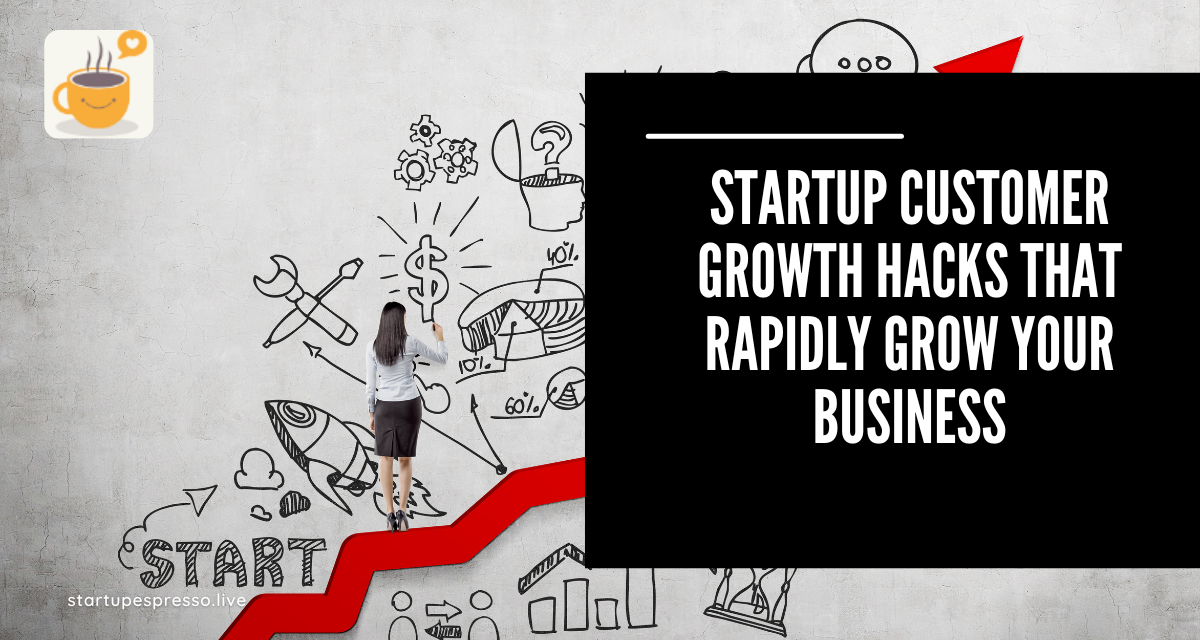
Forget waiting around for perfect timing or throwing cash at ads that don’t stick. If you’re building something from scratch, you need moves that actually get people in the door—fast. This isn’t about playing it safe or following some outdated playbook. It’s about using startup customer growth hacks that punch above their weight and get real results without draining your wallet. Whether you’re bootstrapping or just tired of slow progress, these tactics cut through the noise and help you grab attention where it matters most—right in front of your future customers. No fluff, just stuff that works.
Use Referral Programs to Turn Customers into Ambassadors
People trust people. That’s why referral programs hit harder than any paid ad or cold pitch. When someone hears about your product from a friend, they’re more likely to check it out—and even buy. You don’t need a huge budget to pull this off. Just give your current users something in return when they bring in new ones.
Start simple. Offer discounts, freebies, or account credits for every successful referral. Make the process fast and easy—no long forms, no weird links that break. If it takes more than two clicks, you’ve already lost people.
Don’t guess what rewards will excite your users—ask them. Some want cash back; others want upgrades or early access to features. Give them options so they feel like it’s worth their time.
This isn’t just about gaining new customers—it’s about turning existing ones into promoters who actually care if you grow or not. These aren’t influencers with fake hype; these are real users with real experiences who can explain why your product matters.
One of the smartest startup customer growth hacks is knowing how to use trust instead of noise. People tune out ads but listen when someone they know shares something useful.
Want proof this works? The podcast episode How Startups Get Customers breaks down 151 marketing strategies that helped real startups build user bases from scratch—including how referral systems played a big role in early traction without spending much upfront.
If you’re serious about getting more people through word-of-mouth tactics that don’t burn cash, listen to the episode for top customer acquisition strategies. It’s packed with ideas you can put into play today without waiting on a funding round or hiring a full team.
Referrals aren’t magic—they’re just smart business if done right and kept simple enough for anyone to join in fast.
Use Startup Customer Growth Hacks Like Scarcity and Exclusivity
People don’t want what everyone can have. They want what’s hard to get. That’s why scarcity and exclusivity aren’t just tricks — they’re growth hacks that actually move the needle.
Start with something simple: a waitlist. Make users sign up early to get access before others. It doesn’t matter if your product is ready or not — the goal is to create demand before launch. When people see there’s a line, they assume it’s worth joining.
Beta invites do the same thing. Send them only to a small group and let those users know they’re part of something limited. Don’t open it up right away. Let word-of-mouth build naturally because people talk when they feel like insiders.
Time-limited offers also push action fast. Instead of saying “Sign up any time,” say “Only available this week.” You’ll see more conversions when people feel like they could miss out.
This isn’t about faking value — it’s about showing that your offer won’t sit around forever waiting for someone to notice it. You force quicker decisions by setting clear limits on access or time.
If you need proof these tactics actually help, check out the podcast episode How Startups Get Customers. It breaks down how real companies used 151 tested methods, including urgency-driven campaigns, to hit their first user milestones without throwing money at ads too early.
Listen to the episode for top customer acquisition strategies.
Scarcity works when users believe what you’re offering might disappear soon — so make sure you’re not always available and easy to reach. Keep parts of your product behind closed doors until enough interest builds up naturally from those already inside.
Partner with Complementary Brands for Co-Marketing Campaigns
Trying to grow a startup with limited cash is rough. You can’t throw piles of money at ads and hope something sticks. One way around that? Team up with other small brands that aren’t direct rivals but speak to the same type of customer. You both want attention. You both want users. So split the cost and share the spotlight.
Let’s say you run a nutrition app. Partnering with a fitness gear startup makes sense. You could run a joint giveaway—your app and their gear as prizes. Now both of you get access to each other’s audience without spending extra. Or maybe you co-host a short webinar. They talk about workouts, you cover food tracking. No expensive setup. Just email lists, social posts, and real value for people who care.
This kind of co-marketing doesn’t need fancy tools. Use what you already have—your blog, your email newsletter, your social feed. When you create a content series or bundle offer with another brand, both sides bring people in. That’s double the reach for half the effort. Plus, it builds trust. If someone already likes the brand you’re teaming up with, they’re more likely to check out your product too.
These kinds of startup customer growth hacks aren’t just theory. Real companies have done this and seen results. The podcast episode How Startups Get Customers breaks down how founders used partnerships like these to get their first users and scale from there. It’s packed with 151 tested ideas that actually worked.
Automate Onboarding to Maximize User Activation
Most users drop off early. That’s the brutal truth. They sign up, poke around, and leave. One of the most overlooked startup customer growth hacks is fixing this with an automated onboarding flow that actually works.
Start with what matters: get new users to their first win fast. Whether it’s sending their first message, uploading a file, or setting up a profile — guide them there without wasting time. Use in-app steps that show them exactly what to do next. No guesswork, no confusion.
Set up email sequences that trigger based on actions they take (or don’t take). If someone skips a step, send a short tip showing them how to finish it. If they complete something important, follow up with what comes next. These emails shouldn’t be long or fluffy — just clear and helpful.
Use tools like Intercom or Userflow to build these walkthroughs and messages without coding everything from scratch. Keep it direct. Don’t bury people in options right away — unlock features as they go so each step feels simple.
This isn’t about being fancy — it’s about getting people moving quickly so they stick around longer than five minutes.
Want examples of how this plays out in real startups? The podcast episode How Startups Get Customers breaks down proven tactics used by companies who nailed their early activation game using similar strategies — including 151 marketing moves you can swipe today without guessing what works.
A good onboarding system does more than welcome users — it keeps your growth from leaking out the bottom of the funnel before things even get started.
Fuel Growth Without Playing by the Rules
If you’re tired of waiting around for growth to happen, it’s time to flip the script. From turning your users into referral machines to creating FOMO with exclusivity, these startup customer growth hacks aren’t just clever—they’re battle-tested shortcuts to traction. Co-marketing with aligned brands and streamlining onboarding can supercharge your user base without draining your budget. Want to go even deeper? How Startups Get Customers breaks down 151 real-world strategies—from snagging your first 50 users to scaling with SEO and paid ads. Listen to the episode for top customer acquisition strategies and start rewriting your own growth playbook.




Recent Comments