
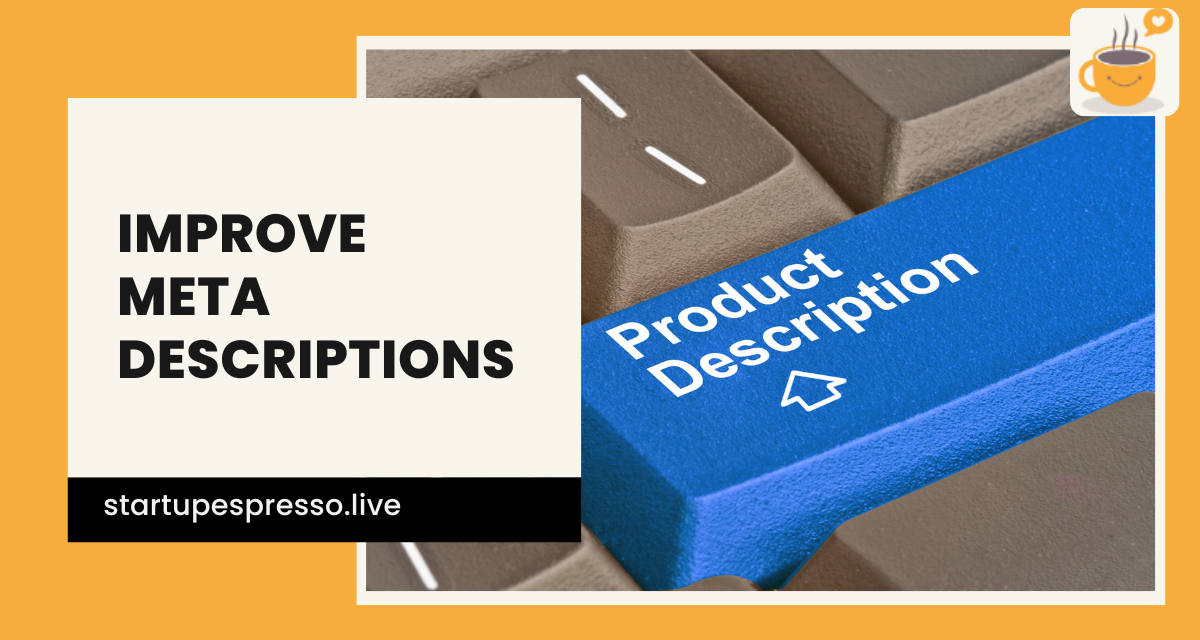
Most people treat meta descriptions like an afterthought—just another box to fill. That’s a mistake. If your search results look like everyone else’s, don’t expect better clicks. It’s not about stuffing keywords or sounding clever; it’s about getting real with what your audience cares about. When you improve meta descriptions, you’re not just tweaking copy—you’re giving people a reason to care before they even land on your site. No more guessing if your content is working. Start testing what actually gets clicks, and stop settling for traffic that never shows up.
Understand Your Audience’s Search Intent
People don’t search just for fun. They want answers, solutions, or something to help them move forward. If your meta description doesn’t match what they’re after, they’ll skip right past it. That’s wasted space and missed clicks.
To improve meta descriptions, first figure out why someone would type a specific query into Google. Are they trying to solve a problem? Do they need quick steps? Are they comparing tools or looking for advice before buying something? Get clear on that purpose.
Let’s say someone searches “free SEO tools for startups.” They’re not looking for paid software or vague advice—they want real tools that cost nothing. If your page delivers that but the meta description says “Explore the best SEO strategies,” you’ve already lost them. It doesn’t connect with what they’re thinking about in that moment.
Instead, write something like: “Find 7 powerful free SEO tools perfect for early-stage startups—no budget needed.” Now it speaks directly to their reason for searching and gives them a reason to click.
Search intent isn’t guesswork either. You can check what shows up on page one of Google and see how others describe similar content. Use those clues to shape your message differently—but still relevantly.
If you’re not sure where to start with figuring out this intent stuff, there’s an episode called Startup SEO Tips: Focus Pages and Content Marketing – Episode 5 that breaks down how startup founders can research keywords without hiring an expert or spending money on expensive platforms. It even covers how to build landing pages around specific phrases people actually search for—not just ones you think sound good.
When you write based on what people truly want, your snippet becomes useful instead of forgettable. And useful gets clicks every time.
Use Action-Oriented Language and Power Words
People don’t click on boring. They scroll past it. If your meta description sounds like a robot wrote it, you’re losing traffic before the page even loads. To improve meta descriptions, start using verbs that push people to do something now. Don’t just say what your page is about—tell them what they’ll get if they click.
Start with words that spark movement: “Get,” “Unlock,” “Try,” “Explore.” These aren’t fancy—they’re direct. They speak to real people who want quick answers or fast wins. Swap out weak phrases like “This article discusses” with stronger ones like “Discover how to write better headlines.” It’s not about being clever—it’s about being clear and useful.
Power words trigger curiosity or urgency. Try adding terms like “free,” “proven,” “fast,” or “secret.” These make readers stop and think, what am I missing here? But don’t overdo it—one strong word per line is enough. You’re not writing ads; you’re writing hooks.
Every character counts in a meta description, so make them pull weight. Cut filler. Use short sentences when possible, and always lead with impact—your first few words set the tone for everything else.
If you’re unsure where to start, check out the Startup SEO Tips: Focus Pages and Content Marketing – Episode 5 podcast episode for practical advice on keyword targeting without wasting time or money on outside help. That episode breaks down how smart content choices can boost visibility without guesswork—or a big budget behind it.
Need inspiration right now? Listen to podcast and learn how simple changes can drive more clicks today—not someday.
Don’t wait around hoping traffic improves itself. Write descriptions that move people—and they will move toward your site instead of someone else’s.
Include the Right Keywords Naturally
Search engines need signals. Users need clarity. That’s where keywords come in—but don’t shove them in like puzzle pieces that don’t fit. If you want to improve meta descriptions, cramming keywords into every inch won’t help. It’ll backfire. People aren’t robots, and search engines have grown up—they can tell forced language from real content.
Start with the main phrase or term tied to your page topic. Think about what someone might actually type when looking for your product or service. Use that phrase once, early in the meta description if it fits, but only where it makes sense. Don’t stretch a sentence just to stick a word inside it.
Let’s say your page talks about building online stores using free tools—your keyword might be “free eCommerce builder.” So instead of writing “Free eCommerce builder is here for free eCommerce builder lovers,” go with something like: “Build your online store using a free eCommerce builder that works without coding.” Same keyword, less cringe.
You’re not writing for textbooks or algorithms from 2005. You’re writing for people who scroll fast and click even faster.
The fifth episode of the Startup SEO Tips podcast nails this idea hard—keyword targeting doesn’t have to cost money or time you don’t have. It breaks down how startups can write smarter meta descriptions by choosing better terms and placing them well—not stuffing them everywhere.
If you’re second-guessing whether you’re doing this right, hit play on this podcast and get into real examples that make sense without sounding robotic.
When you write like a person—for people—you get clicks from people who care enough to read more than one line. That’s how you start seeing traction without paying for shortcuts no one needs anyway.
Improve Meta Descriptions for Better Visibility
Search results pages are packed. Everyone’s fighting for the same clicks. To stand out, you need to improve your meta descriptions in a way that makes people stop scrolling. That means being clear, short, and focused on what someone actually gets by clicking your link.
Start with the basics: keep it under 160 characters. Anything longer gets cut off. Use those characters to say something useful—what’s on the page and why it matters. Don’t just repeat the title or stuff in keywords. Say something real that speaks to what people want right now.
Next, think about intent. If someone searches “how to grow email list,” they’re after quick wins or methods that don’t cost much time or money. Your meta description should reflect that need directly: “Get 5 free ways to grow your email list fast.” No fluff, no filler.
Avoid vague terms like “innovative” or “leading.” Those words mean nothing when everyone uses them. Instead of saying your tool is efficient, say it saves users two hours a week—or whatever is true and measurable.
The podcast episode Startup SEO Tips: Focus Pages and Content Marketing – Episode 5 breaks down how startups can create landing pages designed around one goal per page using free tools like Squirrly SEO and WordPress. This approach helps clarify each page’s message—making writing solid meta descriptions easier because you know exactly what you’re offering.
When each description matches the content behind it—and clearly says who it’s for—you’ll see more clicks without needing bigger budgets or fancy tools. It’s about making small changes with purpose.
Want smarter ways to tweak copy for better click-throughs? Listen to the full podcast at Startup Espresso and get practical strategies without wasting hours looking for answers elsewhere.
Turn Searchers into Clickers with Smarter Meta Descriptions
If you’re tired of watching your content sit idle while competitors steal the spotlight, it’s time to shake things up. To improve meta descriptions and actually drive clicks, you need to tap into your audience’s intent, use bold language that demands action, and weave in keywords without sounding like a robot. These aren’t just best practices—they’re non-negotiables for standing out in overcrowded SERPs. Want to go deeper and learn how to apply these tactics across your entire SEO strategy—without blowing your budget? Listen to Startup SEO Tips: Focus Pages and Content Marketing – Episode 5 for raw, actionable insights built for startups who refuse to play small.




Recent Comments