
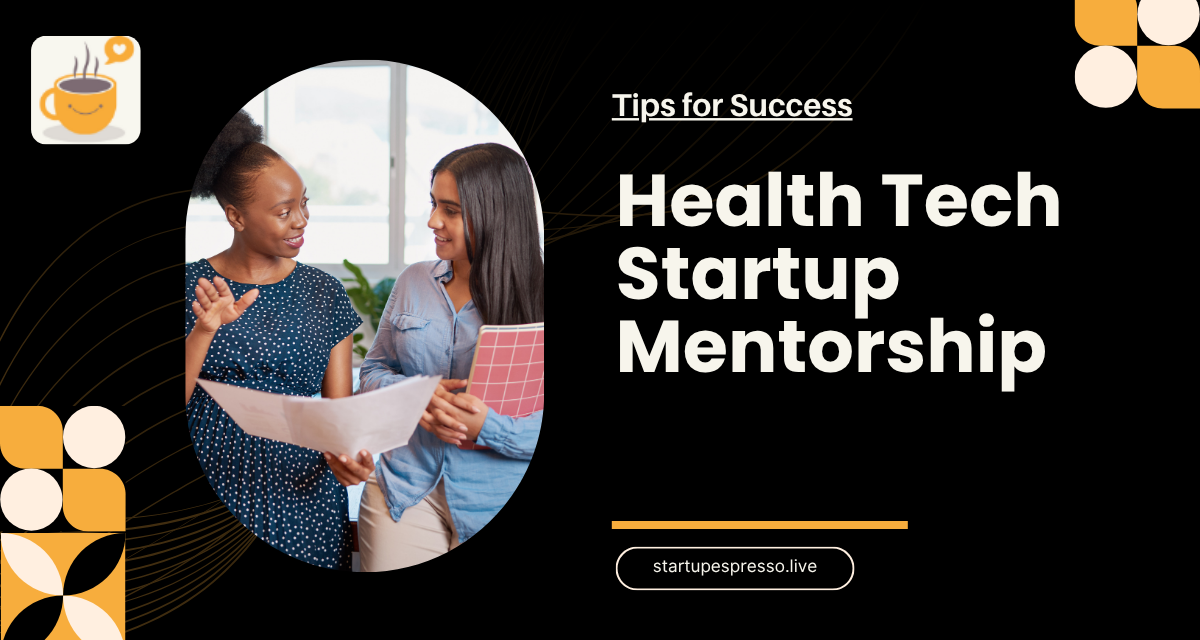
Starting a health tech company is tough. It’s not just about having a great idea or building an app. You’re dealing with healthcare regulations, patient safety, and long development timelines—all while trying to grow a business. That’s why health tech startup mentorship can make such a big difference.
Learning from someone who’s already been through the process can save you time, money, and stress. Whether you’re still mapping out your product or already launched, the right mentor helps you avoid common mistakes and focus on what really moves your startup forward.
Why Mentorship Matters in Health Tech
Launching a startup in healthcare isn’t like launching one in other industries. There’s more at stake—people’s health, strict compliance requirements, and often slower adoption rates. These challenges can overwhelm even experienced founders.
That’s where health tech startup mentorship comes in. A mentor with real-world experience understands the hurdles specific to this space. They’ve seen what works and what doesn’t. They can help you:
– Spot legal risks before they become lawsuits
– Build a team that understands both tech and healthcare
– Prioritize features that meet clinical needs, not just user wants
– Avoid wasting months on ideas that don’t align with regulatory standards
Getting advice from someone who’s been there means fewer wrong turns—and more progress toward your goals.
Lessons from Real Startup Struggles
There’s no substitute for learning from real experiences—especially the hard ones. A great example is shared in the podcast episode Health Tech Startup Obstacles. Founders Florin and Paul talk openly about their failed health tech venture—not to discourage others but to help them avoid similar outcomes.
They cover issues like legal missteps that could have been avoided with better guidance, hiring decisions that slowed them down, and how rushing development led to problems they didn’t see coming. Their insights highlight exactly why health tech startup mentorship is so valuable: it gives you access to lessons you don’t want to learn the hard way.
Want to hear their full story? Listen to the episode here and pick up tips that could save your own project from hitting the same walls.
What to Look for in a Mentor
Not every mentor will be a good fit for your startup. When searching for someone to guide you, look for these qualities:
– Experience in both healthcare and startups: A background in either one isn’t enough—you need someone who understands how they overlap.
– Willingness to challenge your ideas: The best mentors won’t just agree with you; they’ll push back when needed.
– Availability: Consistent check-ins matter more than occasional big talks.
– A network: A good mentor can connect you with people who can help—investors, advisors, or even future hires.
Finding someone with these traits takes effort, but it’s worth it if it helps you build smarter and avoid costly mistakes.
How Mentorship Drives Smarter Decisions
With guidance from someone who’s walked this path before, you’re more likely to ask the right questions early on:
– Do we really need this feature?
– Are we ready for regulatory review?
– Is our pricing model sustainable?
These questions aren’t always obvious when you’re deep in product development or fundraising. But mentors see the bigger picture. They’ve seen teams burn out chasing the wrong goals or ignoring compliance until it’s too late.
That kind of insight is what makes health tech startup mentorship such a powerful tool—not just for avoiding failure but for building something that lasts.
Success doesn’t come from working harder—it comes from working smarter. And working smarter often means learning from those who’ve already made the mistakes you’re trying to avoid.
If you’re serious about building something meaningful in healthcare, take time to listen and learn from others’ journeys. Start by checking out this episode where two founders share what went wrong—and what they wish they’d known sooner.
You don’t have to figure it all out alone. With the right support, success becomes a lot more achievable.






Recent Comments