
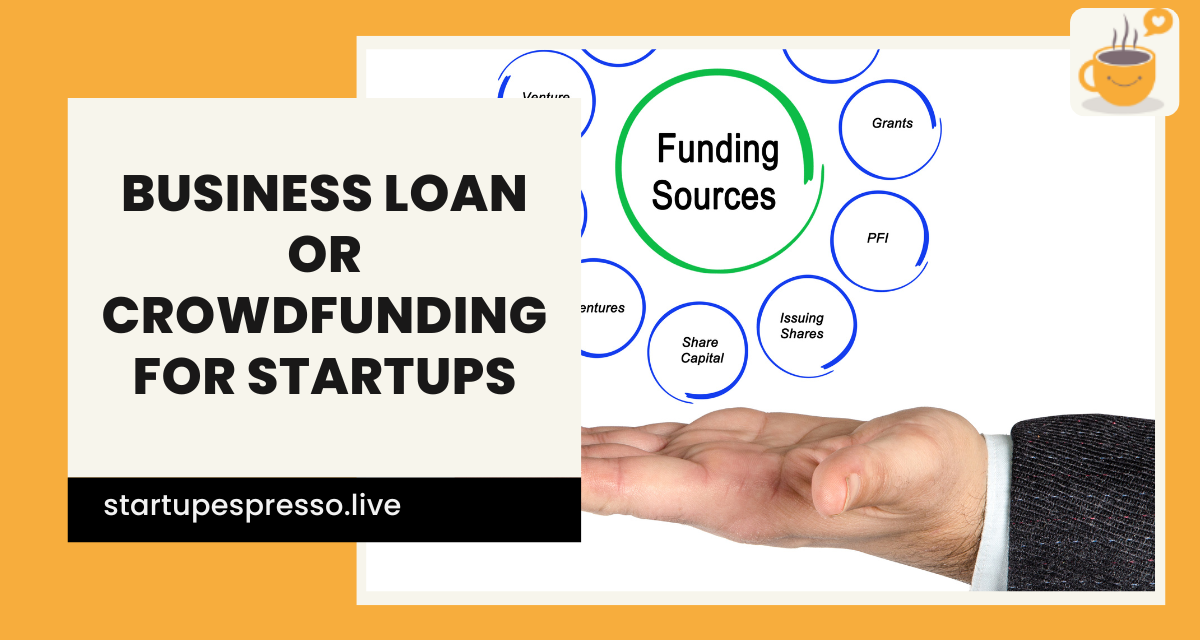
Money talks, but it doesn’t always say what you want to hear. When you’re staring down the barrel of your next big move, figuring out whether to take a business loan or crowdfunding route can feel like flipping a coin with no heads. One ties you to banks and repayment schedules; the other throws your idea into the wild and hopes enough people care. Both come with strings—just different kinds of knots. This isn’t about chasing shiny trends; it’s about picking the option that won’t wreck your focus or slow your build.
Understand Your Funding Needs
Start by figuring out how much money you actually need. Don’t guess. Break it down dollar by dollar. If you’re buying machines, tools, or supplies, those fall into short-term needs. These might be better handled with a loan—something you can pay back in chunks over time.
But if you’re building something new from scratch—a product that needs testing, feedback, and time—crowdfunding could make more sense. It gives people a chance to support your idea before it’s ready for the market. You’re not just raising cash; you’re also validating demand early on.
Think about what stage your startup is in right now. Are you getting ready to build version one? Still figuring out if anyone even wants what you’re making? Or maybe you’re already selling and need help scaling up operations? The kind of funding you go after should match where you stand today—not where you hope to be later.
Also, check how fast you’ll need the funds. Loans might come quicker but bring repayment pressure immediately. Crowdfunding takes longer to launch and manage but doesn’t stick monthly bills on your back right away.
If tracking expenses sounds like chaos, listen to the podcast episode Financial discipline for startup founders. Florin and Paul break down why knowing where every dollar goes isn’t optional—it’s survival mode for startups trying not to burn out too soon. They dig into cost tracking and revenue planning so that when you’re deciding between business loan or crowdfunding, it’s not based on vibes—it’s backed by numbers.
Budgeting gets messy fast when there’s no system in place. Before choosing any funding route, get clear on how much runway each option gives you—and at what cost later down the road.
Want a real take on managing money before jumping into debt or public campaigns? Listen here and stop guessing your way through financing decisions.
Evaluate Control vs. Community Engagement
Choosing between a business loan or crowdfunding isn’t just about how you get money. It’s about what kind of startup you want to run and how much say you’re willing to give up along the way.
A business loan keeps things simple. You borrow cash, pay it back with interest, and keep full control over every decision. No one’s asking for input on your product roadmap or pushing their own ideas onto your build list. If you’re already overwhelmed by user suggestions or struggling with feature decisions, this setup gives space to focus without outside noise.
Crowdfunding flips that model. You’re not just raising funds—you’re building an audience at the same time. That might sound useful when trying to validate demand early on, but it comes with strings attached. Supporters often expect updates, involvement in development stages, and sometimes even influence over features. If you’re still fine-tuning your direction or trying not to chase every customer request, this can add pressure fast.
Control also affects speed and flexibility. With a loan, changes happen when you decide they need to happen—no public explanation required. Crowdfunding means more eyes on each move and higher risk if perception shifts against you mid-launch.
Both paths require discipline around money and planning either way. That’s where financial habits make a difference from day one—not just later on when scale hits hard. The podcast episode Financial discipline for startup founders digs into why tracking costs early matters more than most realize—especially when balancing short-term demands with long-term goals like ownership or community loyalty.
If you’re weighing these options seriously and want smarter ways to manage money before making the call, listen here for real examples that cut through the fluff.
Decide whether keeping total control is worth moving slower—or if building early buy-in is worth sharing pieces of your process before everything’s figured out yet.
Compare the Costs of Business Loan or Crowdfunding
Money always comes with strings. Whether it’s from a bank or a crowd, you’ll pay for it one way or another. Figuring out the real cost of funding is where many founders mess up.
Both means giving something in return. A loan charges interest. That’s money out every month — no matter if your product flops, stalls, or takes off slowly. You also sign up for repayment terms that don’t care about your roadmap delays or shifting priorities.
Crowdfunding might look easier at first glance. No fixed payments, no banks breathing down your neck. But platforms take their cut — usually around 5% to 8%. Then there’s reward fulfillment. If you promise early access, merch, or other perks to backers, you need to deliver them on time and within budget. That eats into your raised capital fast.
There’s also opportunity cost hiding behind both options. What could that cash have done elsewhere? Could those funds have gone into refining user feedback loops instead of shipping t-shirts to backers? Or maybe spent on building what people actually use rather than paying loan interest?
Florin and Paul break this down hard in their podcast episode Financial discipline for startup founders. They dig into why tracking every dollar matters early on — not just spending it but understanding where it’s going and what you’re giving up by choosing one path over another.
They go beyond typical budgeting talk too — covering how financial discipline shifts as your startup moves from idea stage to scaling mode. If you’re stuck between choosing debt or raising from strangers online, this episode helps sharpen how you think about money flow and trade-offs.
👉 Want sharper eyes on where your cash is really going? Listen here before signing any dotted lines or launching pitch videos that promise more than they should.
Cost isn’t just numbers — it’s control, time lost, promises made, and paths closed off later when things get messy. Pick smart now so you’re not stuck cleaning up later.
Assess Your Startup’s Market Appeal
Before choosing between business loan or crowdfunding, get real about how your startup looks from the outside. Not every idea grabs attention on a screen. Some products speak louder in boardrooms than they do on social media feeds.
Crowdfunding demands more than just a good concept. It needs a story that clicks with people fast. If you’re working on something the average person can understand and share, like a smart home tool or eco-friendly gear, crowdfunding might fit. People back campaigns they believe in — or at least ones that make sense without needing an explainer video longer than two minutes.
But if your product solves problems only engineers care about, or lives deep in enterprise software land, don’t expect strangers to throw money at it online. That kind of venture often calls for structure and patience — things banks and financial partners respect more than hype.
Ask yourself: Does your idea spark curiosity? Can someone explain it to their friend over coffee? If not, you might burn time trying to build support from the crowd when what you really need is focused capital from lenders who care more about spreadsheets than viral traction.
And here’s another angle — even if your idea sounds great out loud, does it hold up under numbers? Florin and Paul break this down well in their podcast Financial discipline for startup founders. They talk through why tracking costs and revenue matters before chasing any funding path. Understanding these numbers helps you see if you’re building something with lasting value or just noise that fades after launch day.
If you’re still unsure whether your startup fits better with fans or funders, listen to this episode now. It’ll sharpen how you look at growth potential — not just through excitement but through actual performance data too.
Choosing the Right Funding Path Starts with Knowing Your Priorities
Deciding between a business loan or crowdfunding isn’t just about money—it’s about control, community, and clarity. If you crave autonomy and a predictable repayment structure, loans might suit your path. But if you’re building something bold that thrives on public excitement, crowdfunding could fuel your growth and your following. Either way, understanding your funding needs and evaluating market appeal is non-negotiable. Want to sharpen your financial instincts even more? Tune into Financial discipline for startup founders—Florin and Paul break down how tracking costs and opportunity loss can save you from costly missteps: Listen here.





Recent Comments