
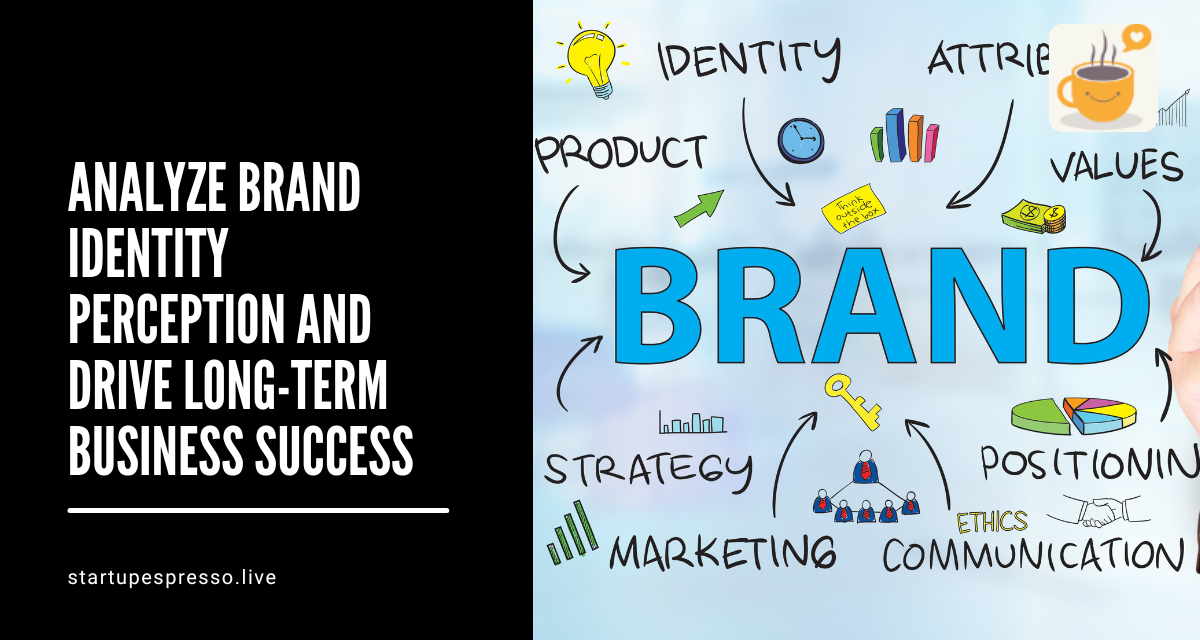
Most brands lose their edge not because they stop trying, but because they stop listening. When a company gets acquired or scales fast, the first thing to slip is how people actually see the brand. That’s where things go sideways. To stay sharp, you need to analyze brand identity perception like it’s your job—because if you’re leading a business, it kind of is. This isn’t about logos or taglines; it’s about what sticks in people’s heads and why. Get that wrong, and no amount of funding or features will save you. Get it right, and you build something that lasts.
Understand the Core Elements of Brand Identity
Start with this — if you don’t know what your brand stands for, no one else will either. Before trying to analyze brand identity perception, get clear on the basics. That means locking down your mission, values, tone, and look. These aren’t just checkboxes. They’re the core pieces that shape how people see your business.
Your mission isn’t a slogan slapped on a pitch deck. It’s the real reason your company exists. It drives every decision you make — from how you build products to how you speak to customers. Values come next. Not vague ideas like “innovation” or “passion.” Think about what behaviors matter most inside your team and in public.
Then comes voice — not just what you say but how you say it. Is it blunt? Friendly? Straight-up professional? Pick one and stick with it everywhere: emails, social posts, website copy — all of it should sound like it’s coming from the same source.
Visuals wrap things up: logo, colors, fonts, layout styles. These shouldn’t change every time someone updates a slide deck or rebuilds a landing page. People remember consistency more than flair.
Ignore these pieces and users start feeling confused fast — especially during big shifts like acquisitions or rebrands. Take a moment to check out Preserving Brand Identity Post-Acquisition, where Florin and Paul break down exactly what went wrong when FoodPanda took over HipMenu and trashed everything their users cared about — brand tone included.
They show how neglecting existing values gives competitors room to move in fast while loyal users walk away angry.
Want proof that skipping identity basics can kill user trust? Listen to the episode. It’ll show why getting these elements right early is way easier than fixing them after users bail out.
When each piece of identity lines up across channels and moments, people know who they’re dealing with — even before reading your name.
Analyze Brand Identity Perception Across Channels
No brand gets a free pass. People will talk, post, comment, leave reviews, and message support—whether you’re paying attention or not. If you want to know how your brand actually shows up in the world, you need to analyze your brand identity perception across every channel where users interact.
Start with your social media. Look past the likes and shares. Dig into comments and mentions. See what people say when they think no one’s watching. Don’t just track sentiment—track patterns. Are people confused about your product? Are they comparing it to a competitor? That’s data worth collecting.
Move on to surveys, but skip the long-winded ones that only five people fill out. Keep them short and focused on key questions: What do users expect from your brand? Do they trust it? Would they recommend it? Deliver these questions through email or right after user interactions for better results.
Then there’s customer support tickets and chat logs—raw gold for understanding tone mismatches between how you think you’re coming across vs how users experience you. Filter by keywords tied to frustration or confusion. You’ll learn fast where things fall apart.
Online reviews offer another window into public opinion—but don’t just read the stars. Read what people write when they’re disappointed or surprised by something unexpected in their experience with your product or service.
If all of this sounds like overkill, consider what happens when brands ignore these signals altogether. Take FoodPanda’s acquisition of HipMenu as a case study—the backlash wasn’t random noise; it was ignored feedback turning into lost loyalty and open doors for rivals who paid attention instead. Want a real-world breakdown of this fallout? Listen to the episode where Florin and Paul break down exactly how missing the mark on identity cost more than just reputation—it handed opportunity straight to competitors.
The point isn’t just collecting feedback—it’s connecting dots before someone else does it better than you do.
Align Internal Culture with External Branding
Brands often push out messages without checking if their team actually lives them. That’s where things fall apart. If your people don’t act in line with what you say to the public, customers notice. And when they spot that gap, trust drops fast.
Start by being honest about what your brand stands for. Don’t just print values on posters and walk away. Talk about them during hiring, training, and team meetings. Make them part of how decisions get made. This isn’t about adding rules—it’s about making sure everyone is pulling in the same direction.
When internal culture drifts from external branding, confusion sets in—for both staff and users. Take the time to analyze brand identity perception through real feedback from employees and customers alike. What do people really think your company cares about? Does it match what you’re trying to project?
If there’s a mismatch between internal behavior and external image, competitors can use that crack to step in—just like what happened when FoodPanda bought HipMenu. In the podcast episode Preserving Brand Identity Post-Acquisition, Florin and Paul break down how ignoring user expectations caused backlash—and gave rivals space to grow stronger. It’s a clear example of how failing to align internal actions with brand promises can hurt long-term success.
Culture isn’t static—it shifts as teams grow or leadership changes—but keeping it close to your core values keeps the brand steady for users watching from the outside.
Want a real-world breakdown of how brands lose ground after an acquisition? Listen now to see why staying consistent inside and out matters more than ever today.
Leverage Insights to Drive Long-Term Business Success
Data without action is just noise. If you want your brand to last, you need to do more than collect feedback—you have to use it. When you analyze brand identity perception, you’re not just reading opinions. You’re spotting gaps and figuring out how people actually see your company, not how you want them to.
Start with what your customers say across platforms—reviews, surveys, social media comments. Don’t cherry-pick the good stuff. The real gold is in the complaints, confusion, and silence. That’s where problems hide. Use this information not only to adjust messaging but also to fix parts of the experience that don’t match what people expect from your brand.
Marketing teams can take these insights and stop guessing with campaigns. Instead of pushing vague promises, they can speak directly to what matters for users—because now they know what that is. Product owners can use the same data to make smarter calls on features or updates that align with customer expectations instead of chasing trends that don’t fit.
One major reason brands fail after acquisitions is ignoring these signals. A clear example comes from a podcast episode where Florin and Paul break down how FoodPanda took over HipMenu—but didn’t pay attention to user trust or brand value during the transition. That blind spot gave competitors room to move in fast and win over former loyalists.
If you’re planning growth through acquisition—or trying not to lose ground after one—you can’t afford this kind of miss. Listen closely when users react strongly; their pushback isn’t random—it’s insight you didn’t act on soon enough.
Want a raw look at what happens when companies get it wrong? Listen here for lessons that could save yours from making the same mistake.
Use perception data like a tool—not decoration—and make every move count toward something stronger tomorrow than today.
Brand Identity Is More Than a Logo—It’s Your Legacy
To build a brand that doesn’t just survive but dominates long-term, you need more than slick visuals—you need clarity, consistency, and cultural alignment. When you analyze brand identity perception across every touchpoint, you uncover the raw truths that drive loyalty or spark rebellion. Internally, your team must live the brand as much as your customers experience it externally. Miss that mark, and you’re inviting competitors to feast on your fallout—just ask FoodPanda. For a brutal real-world breakdown of what not to do post-acquisition, listen to Preserving Brand Identity Post-Acquisition.







Recent Comments